
History
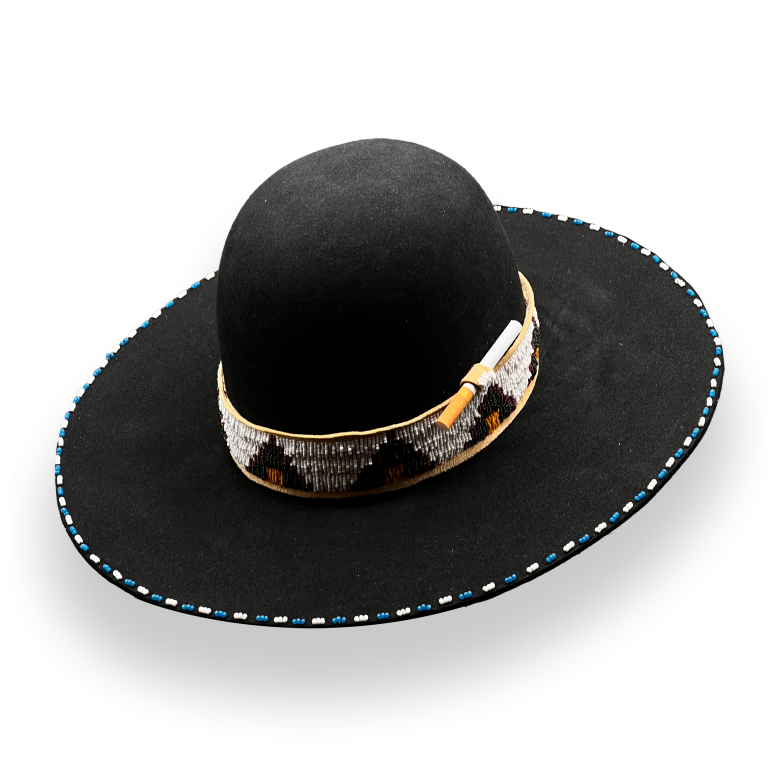
The Western hat – a symbol of freedom, adventure, and untamed vastness – has its roots deep in the history of the American West. It was born not only out of necessity but from a desire for functionality and style, in a time when the horizon seemed endless, and life was tough.
Legend tells of John B. Stetson, a man who not only invented the Western hat but made it an iconic emblem of the Wild West. Around 1865, during a hunting trip in the rugged landscapes of the West, Stetson is said to have shaped the first prototype of his famous “Boss of the Plains” hat. It was a simple yet impressive hat – with a high crown and wide brim, designed to keep the sun away, scoop water, and protect its wearer from wind and weather. The “Boss of the Plains” was more than just a piece of clothing; it was a survival tool, made for cowboys, adventurers, and dreamers.
From the dusty prairies to the bustling ranches, the Western hat spread like wildfire. It became the trusted companion of cattle herders, outlaws, and gold prospectors. Every crease, every bend in the crown told the story of a life on the move, of endless rides and quiet moments beneath the wide-open sky. But the Western hat didn’t remain confined to the prairie. It found its way into cities, onto rodeo stages, and the silver screens of Western movies. Hollywood gave it a new kind of shine, and it became the signature look of legendary figures like John Wayne and Clint Eastwood.
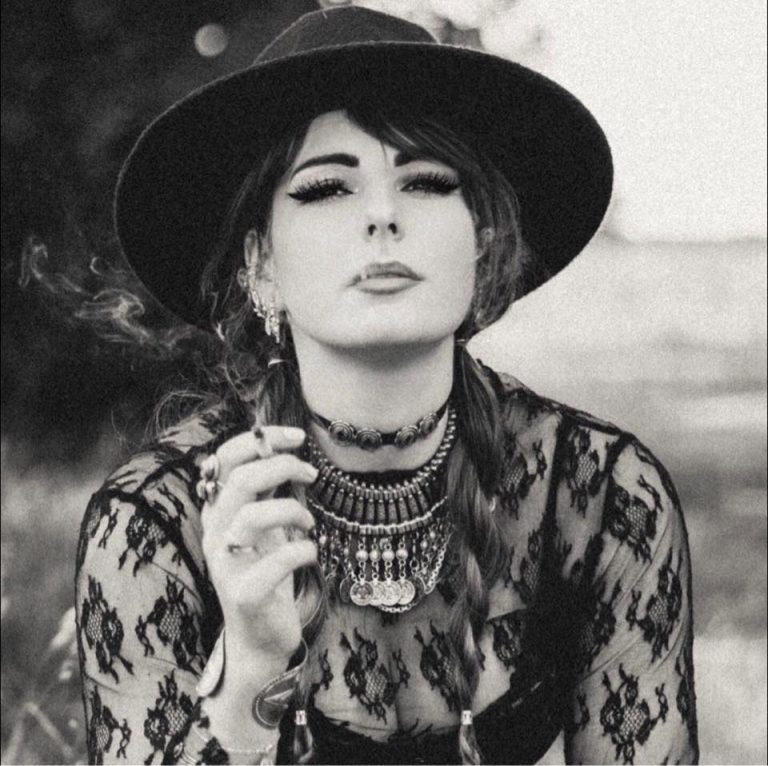
Today, people wear the Western hat with pride – not only as a nod to bygone times but as an expression of freedom and individuality. It’s a garment that breathes stories of adventure and independence. Whether on horseback, in the big city, or at music festivals, the Western hat stands for more than just a style. It represents an attitude, a quiet rebellion against conformity, and a symbol of the free spirit.